
Legacy AFFF Use
Historic use at training areas, hangars, storage areas, and wash areas can create investigation and response obligations.
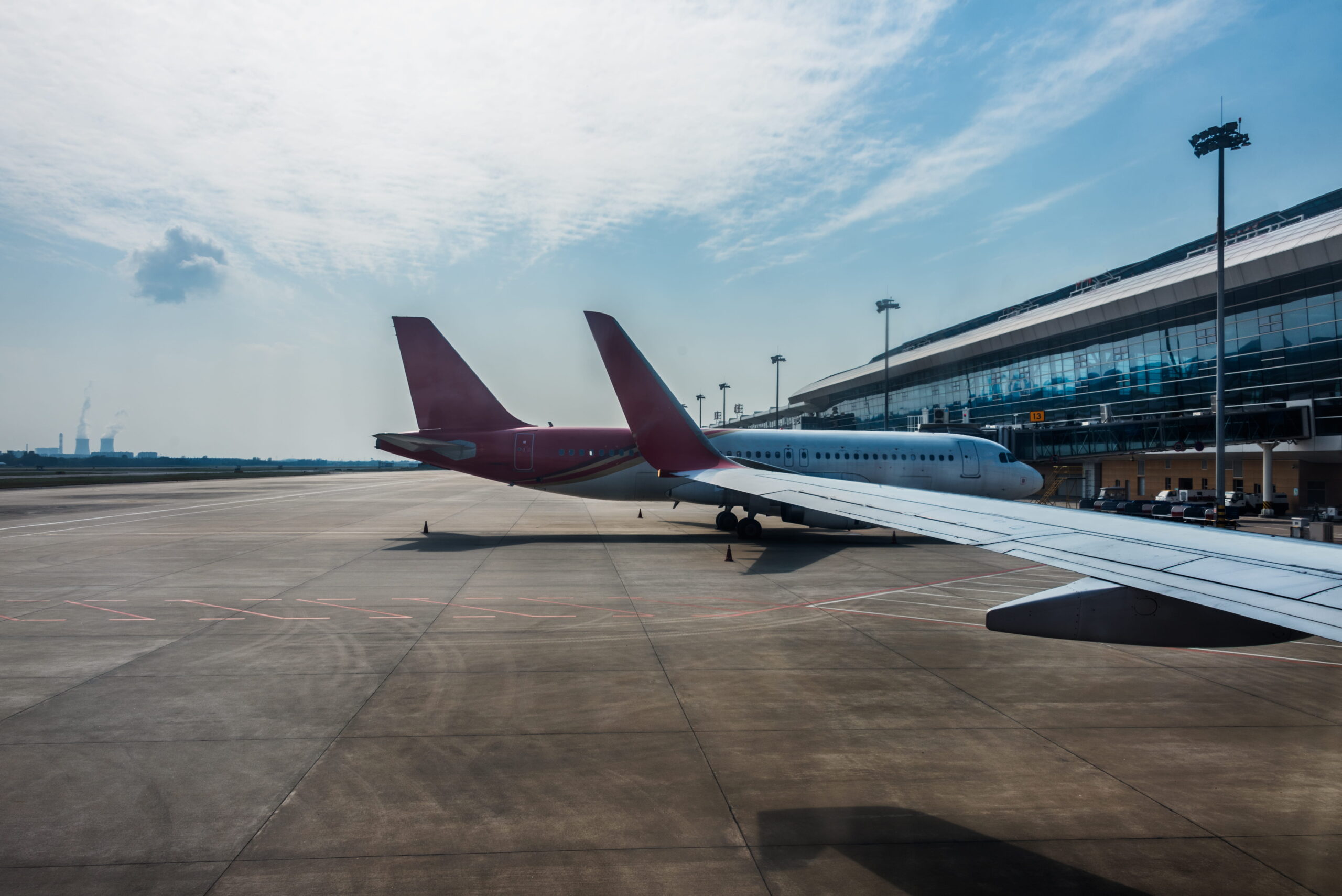
Airport PFAS claims
Emerging regulations can turn legacy AFFF use into significant response costs.
Historic use at training areas, hangars, storage areas, and wash areas can create investigation and response obligations.
Airports may incur costs to replace foam, decontaminate equipment, manage rinse water, and update testing practices.
Many of these costs may be recoverable from AFFF manufacturers.
AFFF use at airports
Airports are required by law to provide aircraft rescue and firefighting (ARFF) services during operation. Airport fire-fighting personnel have historically trained with Aqueous Film Forming Foam (AFFF) containing PFOA and/or PFOS, either at the airport itself or an off-site facility. FAA regulations previously mandated the discharge of AFFF in training exercises.
On January 17, 2018, the FAA issued new guidance to assist airports seeking to manage environmental, liability, and community risks associated AFFF. The FAA announced that airport operators could begin using 3 new testing systems for fire-fighting equipment that do not involve dispensing foam.
Unfortunately, still today many airports conduct training on property and discharge AFFF directly onto the ground surface. Many airports also fail to realize the level of involvement in decontaminating fire trucks and hangar suppression systems to get concentrations in rinse water below EPA levels.
Even if an airport conducts non-discharge training and utilizes newer formulations of AFFF, decades of training with AFFF’s containing PFOA and PFOS has highly likely resulted in soil and groundwater contamination on and around airport property.